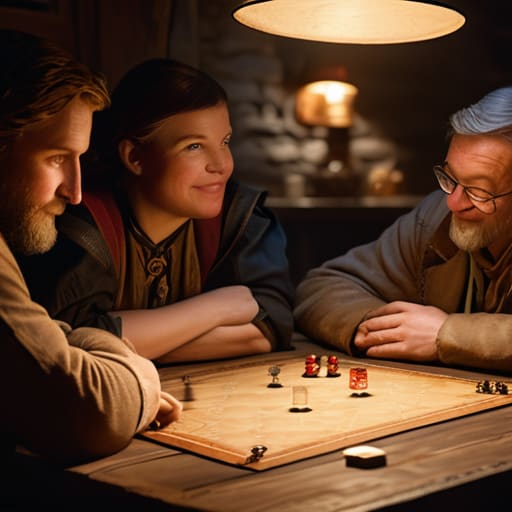
Recruiting People Who Stay Past Month Two
I spent four years moderating a guild forum, and if there is one thing I learned, it’s that most people treat recruitment like a high-stakes HR seminar when they should be treating it like a social contract. You see these massive, multi-page Google Docs filled with “requirements” and “minimum gear scores,” and everyone thinks that’s the secret to success. It isn’t. When you over-engineer your process, you aren’t just filtering for skill; you are writing a sentence that tells potential members your guild is a second job rather than a community. If you’re staring at a dead Discord server wondering how to recruit for a guild that actually stays together, you need to stop looking at spreadsheets and start looking at the signals you’re sending.
I’m not here to give you a checklist of buzzwords or tell you to post more flashy recruitment ads in global chat. Instead, I want to talk about the intent behind your gates. I’m going to show you how to build a recruitment pipeline that prioritizes long-term stability over short-term power, based on the mistakes I made while building my own small-scale systems. We’re going to look at what your application process actually says about your culture and how to make sure it says exactly what you mean.
Table of Contents
Templates Are Empty Promises Crafting Real Guild Culture and Values

I see it every single day on the forums: a copy-pasted wall of text that looks like it was generated by a corporate HR department. Someone grabs one of those generic recruitment advertisement templates, fills in their server name and raid times, and thinks they’ve built a foundation. They haven’t. When you use a template, you aren’t actually communicating; you’re just filling space. A template is a hollow sentence that says, “I don’t have anything unique to offer, so please just follow the script.” If your post looks like every other mid-tier raiding guild on the server, you are telling potential members that your community is just as interchangeable as your loot table.
Real guild culture and values aren’t things you list in bullet points; they are the invisible rules that dictate how people act when the raid wipes or the economy crashes. If you want to attract the right people, you have to stop trying to sound professional and start being specific. Instead of saying “we are a friendly community,” tell them what happens when someone makes a mistake. Are you the kind of group that laughs it off over Discord, or do you spend twenty minutes analyzing parses? That distinction is what actually defines your identity.
How to Recruit for a Guild Without Screaming Desperation at Players

The biggest mistake I see in recruitment ads is the “everything for everyone” approach. You post a wall of text claiming your guild is hardcore, social, casual, competitive, and a family all at once. That isn’t a recruitment advertisement template; it’s a lie. When you try to appeal to every demographic, you end up signaling to nobody. You aren’t just looking for bodies to fill a slot; you are trying to curate a specific vibe. If you act like you’ll take anyone with a pulse just to keep the numbers up, you’re telling potential recruits that your guild culture and values are non-existent.
Instead, treat your outreach like a filter, not a net. If you want high-end raiders, be blunt about the expectations. If you want a chill group that just hangs out in Discord, say that. The goal of a healthy guild recruitment process isn’t to find the most players; it’s to find the right players. When you stop begging for members and start defining what it actually means to belong to your group, the quality of your applicants shifts. You stop chasing numbers and start building a community.
The Five Sentences You’re Writing When You Post That Recruitment Ad
- Stop advertising “chill vibes” and start defining your downtime. When you say you’re a chill guild, you’re competing with every other low-stakes group for the player’s most precious resource: their mental energy. If you don’t specify if “chill” means “we log in once a week” or “we play hard but don’t yell when someone wipes,” you aren’t recruiting; you’re just inviting confusion.
- Treat your Discord as a storefront, not a junk drawer. A disorganized Discord server is a sentence that says, “We have no idea how to manage ourselves.” If a potential recruit joins and finds thirty channels they don’t need and a wall of unread pings, they’ll leave before they even see your roster. You’re competing with the friction of a messy UI.
- The “Trial Period” is a social contract, not a test of skill. If you use a trial period just to see if someone can hit their rotation, you’re telling them they are a tool, not a teammate. A real trial period should be about seeing if their social rhythm matches yours. If the goal is just checking combat logs, you’re better off just looking at their gear scores and saving everyone the awkwardness.
- Stop chasing numbers and start chasing “social glue.” A guild of twenty highly active, compatible players is a fortress; a guild of sixty players who only talk in combat comms is a ghost town waiting to happen. Every new recruit is a sentence added to your guild’s story—make sure they aren’t just filler text.
- Be honest about your “Cost of Entry.” Whether it’s a mandatory raid night or a requirement to donate consumables to the guild bank, every requirement is a barrier. Don’t hide these behind flowery language. If you want a high-functioning machine, tell people they need to be a gear. If you want a social club, tell them they need to talk. If you try to pretend you’re both without the infrastructure to support it, you’ll end up with neither.
The Final Sentence

At the end of the day, recruitment isn’t about filling a roster or hitting a specific player count for a raid night. It’s about the language you use to define your space. If your process is a wall of rigid requirements and cold spreadsheets, you aren’t building a community; you’re building a job description. When you stop treating players like resources to be harvested and start treating them like people you actually want to spend your Tuesday nights with, the math changes. You’ll find that intentionality beats volume every single time, and a small, cohesive group that actually understands why they’re there will always outlast a massive, hollow guild that’s just waiting for the next shiny thing to come along.
I’ve spent too many hours in dead MMOs looking at empty guild halls, and I can tell you that the silence is always the same: it’s the sound of a system that forgot it was supposed to be human. Whether you’re building a massive competitive machine or a tiny cozy corner of a dying server, remember that every interaction is a chance to reinforce your culture. Don’t just recruit for the sake of growth; recruit to confirm who you are. If you get that right, the players won’t just show up for the loot—they’ll show up because they finally found a place that actually means what it says.
Frequently Asked Questions
How do I stop my recruitment posts from sounding like a generic job listing for a mid-level manager?
Stop listing “requirements” like you’re hiring a junior dev for a soul-crushing agency. When you lead with a checklist of gear scores and playtime minimums, you aren’t recruiting; you’re issuing a demand. You’re telling players that their value is a math equation. Instead, talk about what you’re actually doing when the raids end. Are you guys sitting in Discord arguing about lore, or are you just a silent group of efficiency machines? That’s the difference.
Is there a way to vet for "culture fit" without turning my Discord into a high-stress interrogation room?
Stop treating the interview like a job application and start treating it like a trial run. If you force people into a rigid Q&A, you aren’t testing for culture; you’re testing for how well they can lie under pressure. Instead, invite them to a low-stakes activity—a casual dungeon run or a hang in a voice channel. Watch how they react when things go wrong or when the group is just being silly. That’s the real data.
At what point does a recruitment process stop being a filter and start becoming a barrier that kills my player count?
It becomes a barrier the moment you start optimizing for “quality” at the expense of “momentum.” Every extra field in a Discord application or every mandatory trial run is a tax on a player’s time. If your process requires more mental energy than the actual gameplay, you aren’t filtering for talent; you’re filtering for people who have nothing better to do. You’re competing with a player’s desire to just play, and usually, the barrier wins.

