
Cosmetics Paid for the Games You Play Free
I remember sitting in a guild meeting back in 2014, watching a top-tier raid leader lose his mind because the new “legendary” sword was actually just a recolor available in the cash shop for twenty bucks. People love to talk about the “evolution of monetization” like it’s some inevitable, sophisticated shift in business logic, but let’s call it what it actually is: a fundamental pivot in what a game asks of you. When we look at how cosmetics changed game funding, we aren’t just looking at new ways to pay the bills; we’re looking at how developers stopped designing for the gameplay loop and started designing for the flex.
I’m not here to give you a lecture on quarterly earnings or some sanitized industry white paper. I want to talk about the actual mechanics of intent. I’ve spent years moderating forums and building my own messy little engine, so I know exactly what happens when a designer decides that a neon-pink wingset is more important to the budget than a balanced combat system. I’m going to show you how these aesthetic choices act as a silent mandate, rewriting the very reasons you log in every day.
Table of Contents
Digital Asset Ownership and the Illusion of Value
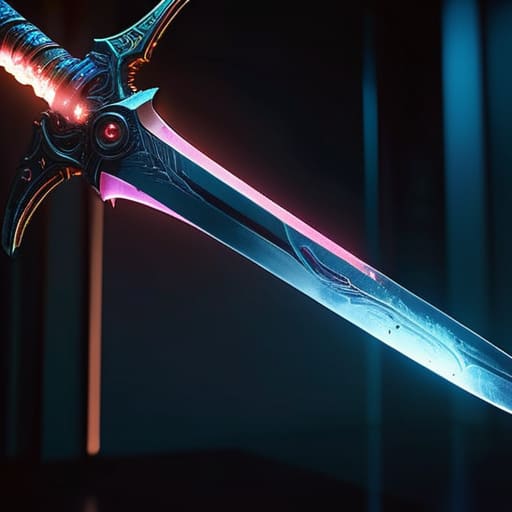
The problem with modern digital asset ownership is that we’ve been sold a lie about what we actually “own.” In the old days of premium pricing, you bought a box, you owned the disc, and that was the end of the transaction. Now, when you drop fifty bucks on a legendary skin, you aren’t buying an item; you’re buying a temporary permission slip to look cool while the server is still running. Designers have realized that if you don’t truly own the asset, they can change its value—or its utility—on a whim.
This creates a weird psychological friction in the player-driven economy in gaming. We see players treating these pixels like gold bullion, but the foundation is sand. If a developer decides a specific character model is “out of season” and moves it behind a new battle pass, the perceived value of your previous investment doesn’t just dip; it evaporates. We aren’t just participating in an economy; we are participating in a rent-seeking ecosystem where the landlord can change the locks whenever the quarterly earnings report looks a little thin.
Battle Pass Revenue Models Designing the Daily Chore

If the skin shop is a suggestion, the Battle Pass is a command. When a developer shifts from a one-time purchase to these battle pass revenue models, they are fundamentally changing the sentence the game is writing to the player. It’s no longer “Play this when you have time”; it’s “Play this because you’ve already paid for the privilege of not losing your progress.” You aren’t just buying a collection of items anymore; you are buying a schedule.
The problem is that this design choice creates a massive tension between engagement and enjoyment. To make the math work, the pass has to feel “valuable,” which usually means the grind has to be just steep enough to make you feel like you’re losing out if you don’t log in every single day. It turns the game into a series of checkboxes. I see this constantly in the small projects I work on—you think you’re building a rewarding loop, but you’re actually just building a digital chore list. When the primary way to fund a game becomes the management of a player’s daily habit, the game stops being a playground and starts feeling like a second job.
The Designer's Dilemma: 5 Lessons from the Cosmetic Pivot
- Stop treating cosmetics as “extra” content; they are the primary driver of your game’s social hierarchy. If your skins don’t communicate something meaningful about a player’s journey or status, they’re just clutter competing with your core gameplay loop for mental bandwidth.
- Watch out for the “Value Gap.” When you move from selling power to selling aesthetics, you’re asking players to pay for identity rather than progress. If the identity feels shallow or disconnected from the actual game world, your revenue will crater the moment the novelty wears off.
- Avoid the “Visual Noise” trap. When everything is a legendary, glowing, particle-heavy skin, nothing is. You end up creating a visual environment where players can’t actually see the mechanics they’re playing, effectively punishing them for engaging with your monetization.
- Remember that a skin shop is a silent dialogue with your community. If you release a high-tier skin right after a patch that nerfed a popular class, you aren’t just selling a product; you’re telling your players that your profit margins are more important than their ability to enjoy the game.
- Design for the “Long Tail,” not the “Launch Spike.” A single massive skin drop might pad your quarterly numbers, but a sustainable economy requires a cadence that respects the player’s time and wallet. If the shop feels like a slot machine, players will eventually stop playing the game entirely.
The Final Sentence

We’ve moved from a world where you bought a game to own an experience, to a world where you buy a game to participate in a continuous, evolving economy. We’ve seen how digital ownership is often just a lease on a pixel, and how the battle pass turned what used to be “fun time” into a series of carefully curated chores. When a developer shifts their focus from mechanical depth to skin rarity, they aren’t just changing how they pay the rent; they are fundamentally altering the contract between the player and the machine. The game stops being a playground and starts being a storefront that occasionally lets you fight monsters.
But it doesn’t have to be a zero-sum game where monetization always equals misery. As someone building my own small world, I’ve learned that players don’t actually mind spending money—they mind feeling manipulated by a system that treats their time like a resource to be mined. The goal shouldn’t be to find the most efficient way to extract value, but to design systems that feel like a fair exchange of respect. If we want games to survive the next decade without losing their souls, we need to start writing sentences that tell players they are valued, not just that they are profitable.
Frequently Asked Questions
If we move entirely to cosmetics, does the game's core loop eventually become a mere delivery mechanism for the storefront?
If the core loop exists only to justify the storefront, the designer has stopped making a game and started making a vending machine. When the gameplay loop shifts from “fun challenge” to “necessary friction to unlock a skin,” the sentence changes from ‘Play this to explore’ to ‘Play this to earn the right to spend.’ Once the loop becomes a delivery mechanism, you aren’t playing a game anymore; you’re just performing unpaid labor for a digital catalog.
At what point does a "limited time" skin stop being an exciting event and start feeling like a designer's way of punishing players for being offline?
It’s the moment the “event” stops being about the content and starts being about the calendar. When I see a skin labeled “Available This Weekend Only,” the designer isn’t inviting me to play; they’re threatening me with loss. It shifts the game from a space of agency to a series of deadlines. Once you feel like you’re playing to avoid missing out rather than playing to engage with the systems, the sentence has changed from “Have fun” to “Don’t leave.”
Can a game actually maintain a healthy competitive balance if the most visible players are the ones who have mastered the art of the microtransaction?
It’s a massive risk. When you let microtransactions dictate visibility, you aren’t just selling skins; you’re selling social capital. If the “best” players are actually just the ones with the most expensive gear or the loudest presence through paid cosmetics, the competitive integrity starts to rot. You end up competing against bank accounts instead of skill. Eventually, the players who actually master the mechanics realize the leaderboard is a lie, and they leave.

