
Downtime Used to Be Where Friendships Formed
I remember sitting in a dark room at 3:00 AM, staring at a progress bar that hadn’t moved in ten minutes, wondering if the game actually wanted me to play or if it just wanted me to exist within its ecosystem. Most design blogs will tell you that downtime is a tool for pacing or a way to manage server load, but that’s a sanitized lie. In reality, how MMOs handle downtime is often just a series of poorly written sentences that tell the player their time isn’t actually theirs. Whether it’s a forced travel time across a barren map or a soul-crushing queue for a dungeon, these moments aren’t “content”—they are often just designers failing to respect the player’s attention.
I’m not here to give you a textbook lecture on engagement metrics or player retention loops. Instead, I want to pull back the curtain on the actual mechanics—the loot tables, the travel systems, and the social friction—that turn a momentary pause into a reason to quit. I’ve spent years breaking my own games and moderating forums where players scream about these exact frustrations, so I’m going to show you what these systems are actually saying to you and why the most clever designers treat downtime as a conversation rather than a command.
Table of Contents
Character Rest Systems the Sentence of Forced Inactivity
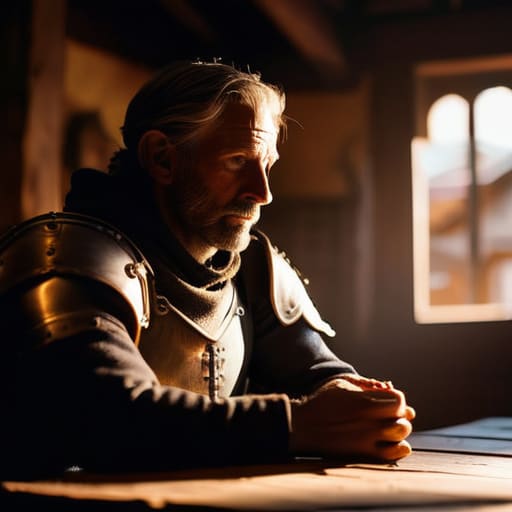
Character rest systems are the most awkward sentence a designer can write. Usually, it’s a blunt, mechanical command: “You have played too much, so sit in this tavern until your XP bar catches up.” It’s a way of managing gameplay pacing mechanics through punishment rather than flow. Instead of making the world feel alive, you’re essentially telling the player that their progress is a debt that must be repaid with stillness. I’ve seen this fail spectacularly in my own small projects; when you try to force a player to stop, you aren’t building tension, you’re just building resentment.
The real trick is distinguishing between narrative downtime vs gameplay. If I’m traveling across a massive continent, I want that time to feel like part of the story, not a tax I’m paying to get to the next instance. A good rest system shouldn’t feel like a “stop” sign; it should feel like a natural rhythm. When designers use these systems to artificially throttle progress, they stop being part of the world and start being a barrier to minimizing friction in MMOs. You want the player to feel like they are catching their breath, not like they’ve been put in a time-out.
Minimizing Friction in Mmos or Just Masking the Boredom
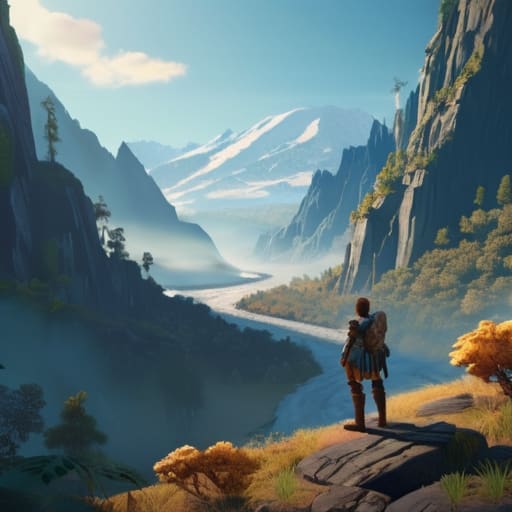
Then you have the “convenience” crowd. These are the developers who look at a long trek across a zone and think, “People hate walking; let’s add a mount or a teleport.” On the surface, they’re just minimizing friction in MMOs, but if you look closer, they’re often just cutting out the connective tissue that makes a world feel real. When you turn every journey into a loading screen or a blink-and-you’re-there spell, you aren’t just saving time; you’re telling the player that the space between the fights doesn’t matter. You’re essentially saying that the world is just a series of disconnected menus.
The real trick isn’t removing the travel; it’s making the world traversal design actually worth the effort. A well-designed path is a way to maintain player engagement during downtime by giving you something to look at, some lore to stumble upon, or a sense of scale that a fast-travel button completely obliterates. When a designer replaces a beautiful, winding mountain pass with a way to skip it entirely, they aren’t just being “player-friendly”—they’re admitting they didn’t think the world was interesting enough to inhabit.
Five ways to stop your downtime from becoming a lecture
- Make the “wait” a choice, not a tax. If you force a player to sit in a city because their XP bar is empty, you aren’t managing downtime; you’re telling them their time isn’t valuable. Give them a secondary loop—crafting, fishing, or even just a way to interact with the world—that feels like progress even when the main combat loop is on cooldown.
- Watch out for the “illusion of activity.” Designers love to throw cosmetic fluff at players to mask a boring queue, but players are smarter than that. They know when they’re just clicking a button to make a progress bar move. If the downtime doesn’t offer a meaningful decision, don’t try to dress it up in a tuxedo; just be honest about why it’s there.
- Respect the social friction. Sometimes the best downtime is the kind that happens naturally in a guild hall or a trade hub. If your systems are so efficient that players teleport from one instance to the next without ever seeing another human, you haven’t “optimized” the game—you’ve accidentally deleted the “Massively Multiplayer” part of the equation.
- Don’t let your loot tables become a punishment. When a player spends forty minutes in a dungeon only to get a piece of gear they can’t use, that’s a sentence that says, “Your effort was a mistake.” If you can’t guarantee a win, ensure the downtime spent getting there leaves them with something—even if it’s just currency or a resource—that feels like a step forward.
- Acknowledge the competition for the player’s attention. Every minute a player spends staring at a “Searching for Group” icon is a minute they are one click away from opening a YouTube tab or checking Discord. If your downtime doesn’t provide a micro-dose of engagement, you aren’t just fighting boredom; you’re fighting every other piece of software on their desktop.
The Designer's Final Word

At the end of the day, whether it’s a rest bonus that punishes you for playing too much or a seamless matchmaking system that tries to hide the fact that you’re actually just staring at a loading bar, downtime is never neutral. It’s a choice. We’ve looked at how character rest systems act as a leash, and how “frictionless” design often just functions as a way to mask the underlying boredom rather than fixing the loop. When I’m coding my own little project, I have to constantly ask myself: am I giving the player a moment to breathe, or am I just writing a sentence that says, “Don’t leave, even if you aren’t having fun”? Most MMOs fail because they mistake retention for engagement, treating our time like a resource to be harvested instead of an experience to be respected.
If there’s one thing I’ve learned from both moderating forums and staring at my own broken code, it’s that the best games don’t try to eliminate downtime; they make it meaningful. A well-designed lull shouldn’t feel like a punishment or a technical necessity; it should feel like the quiet beat in a song that makes the next drop hit harder. We need to stop designing systems that just try to keep our eyes glued to the screen and start designing systems that actually value the player’s agency. Because if the only reason I’m still logged in is because the game won’t let me step away, then the designer hasn’t built a world—they’ve just built a very expensive waiting room.
Frequently Asked Questions
If designers stop using rest XP to force downtime, how do they prevent players from just burning through content in a single, mindless marathon?
If you kill the rest XP sentence, you have to replace it with a different kind of friction, or your players will just treat the game like a checklist. Usually, that means shifting the weight to social or economic gates. Instead of saying “go sleep,” the game says “go talk to your guild” or “wait for the market to stabilize.” You’re trading forced inactivity for meaningful pacing, which is much harder to get right without feeling like a chore.
At what point does "minimizing friction" stop being good design and start becoming a way to hide the fact that the actual gameplay loop is hollow?
It stops being good design the second the “convenience” feature removes the player’s need to make a choice. If I’m clicking through menus or flying across a map just to keep a progress bar moving, the designer isn’t respecting my time; they’re just trying to keep me from noticing the gameplay loop is empty. When the friction is gone, all that’s left is the realization that there was never actually anything to do.
Is there a way to design downtime that actually feels like a meaningful part of the game's world rather than just a mechanical penalty for playing too much?
You have to stop treating downtime as a tax on playtime and start treating it as a resource. If the “sentence” you’re writing is “Stop playing because you’re too efficient,” you’ve failed. But if you design downtime as a chance to engage with the world—like managing a player house, crafting, or social guild activities—you aren’t punishing them. You’re just shifting the verb. You’re moving them from “slaying” to “living,” which is a much more interesting command.

