Healers Play a Different Game to Everyone Else
I remember sitting in a guild voice chat at 3:00 AM, listening to a healer absolutely lose their mind because they had every single cooldown ready, yet the tank still died to a predictable mechanic. It wasn’t a skill issue; it was a design failure. Most people think healers are just mobile health potions with more buttons, but they completely miss how healing design differs from the rest of the combat loop. When you design a DPS rotation, you’re writing a sentence about output; when you design a healer, you’re writing a sentence about anxiety. If the math says the healer can keep up, but the player feels like they’re constantly drowning, the designer has failed to understand the psychological weight of the role.
I’m not here to give you a lecture on spreadsheet balancing or theoretical HPS caps. I want to talk about the intent behind the mechanics—the difference between a healer who feels like a proactive participant and one who feels like a glorified janitor cleaning up everyone else’s messes. I’ll be looking at the actual decisions that force players into specific behaviors, and I’ll show you why most healing systems are stuttering through their most important conversations.
Table of Contents
Evidence Based Design Principles Are Not Just Metrics

When people talk about “evidence-based design principles,” they usually get stuck in a spreadsheet. They look at telemetry, heatmaps, and “time-to-kill” metrics, thinking that if the numbers look stable, the system is working. But numbers are just the symptoms; they aren’t the diagnosis. In my own solo projects, I’ve learned that you can balance a healer’s throughput to perfection on paper, yet still have a player feel like they’re drowning in a sea of mechanical noise. You aren’t just managing cooldowns; you are managing the player’s nervous system.
If you treat healing like a math problem, you miss the human element. It’s a lot like how architects look at improving patient outcomes through design in a hospital. They don’t just count how many beds fit in a room; they look at how light, sound, and space affect the actual person inside. In a raid, a healer isn’t just a battery for HP; they are the anchor for the group’s collective anxiety. If your design doesn’t account for that psychological load, your “perfectly balanced” system will still feel like a failure.
Biophilic Design in Healthcare Is an Unspoken Promise
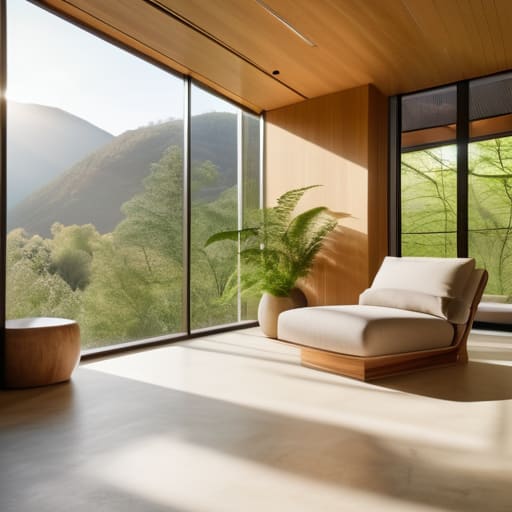
When we talk about biophilic design in healthcare, we aren’t just talking about putting a few ferns in a lobby to make it look less like a sterile interrogation room. We’re talking about a fundamental shift in how we communicate with a person in crisis. In game design, if I put a massive, beautiful vista at the end of a grueling dungeon, I’m making a promise: the struggle was worth the view. Biophilic design does the same thing for a hospital. It’s an unspoken promise that the environment isn’t just a container for sickness, but a partner in recovery.
By integrating natural light and organic textures, architects aren’t just decorating; they are utilizing evidence-based design principles to lower a patient’s cortisol before a doctor even enters the room. It’s a way of saying, “You are still a human being, not just a chart number.” If you ignore this, you’re essentially designing a game with a UI that’s constantly flashing red—it creates a state of high alert that actively works against the goal of healing. When we prioritize a patient-centered environment through these natural cues, we stop fighting the patient’s biology and start working with it.
Five ways to stop stuttering when you design for survival
- Stop treating healing like a math problem. If you only balance for “effective throughput” or HPS (Healing Per Second), you’re designing for a spreadsheet, not a person. A player doesn’t feel “optimized” when their health bar stays green; they feel tension when it flickers. You have to design for the panic, not just the recovery.
- Recognize that every cooldown is a negotiation. When you give a healer a massive, 3-minute-cooldown “panic button,” you aren’t just giving them a tool; you’re telling them, “I expect you to fail at some point.” You’re forcing them to weigh the cost of being proactive versus the cost of being reactive.
- Watch out for the “Invisible Healer” trap. If a healer’s job is just to press a button every time a number goes down, you haven’t designed a role; you’ve designed a glorified janitor. Good healing design should feel like managing a resource or a rhythm, something that competes for their attention against the actual combat mechanics.
- Understand that healing is a social contract. In an MMO, a healer’s output is a sentence about how much they trust the rest of the group. If your mechanics punish a healer for a tank’s mistake too harshly, you aren’t testing skill—you’re just breeding toxicity and making the healer the scapegoat for everyone else’s bad play.
- Design for the “Window of Agency.” The most frustrating part of bad healing design isn’t dying; it’s dying when you felt like you did everything right. If a damage spike is so large that no amount of skill can mitigate it, you’ve removed the player’s choice. A healer should always feel like they are fighting with the mechanics, not just being crushed by them.
The Final Sentence

At the end of the day, healing design isn’t about balancing a spreadsheet or making sure a healer’s HPS (healing per second) matches the boss’s DPS. It’s about the emotional weight of the responsibility you’re handing to a player. If you treat healing as just another resource to manage, you’re telling the player that their role is a math problem. But when you integrate those biophilic, human-centric principles we talked about—making the rhythm of recovery feel natural rather than reactive—you change the conversation. You stop asking them to babysit a health bar and start asking them to curate the flow of the battle. You move from designing a mechanic to designing an experience.
I spend a lot of my time looking at broken systems in dead MMOs, trying to figure out where the designers lost the plot. Usually, they lost it because they forgot that players aren’t just data points; they are people looking for a sense of agency. When you get healing right, you aren’t just preventing a wipe; you are providing the safety net that allows everyone else to take risks. Don’t just build a system that keeps people alive. Build a system that makes them feel like their presence actually matters. That is the difference between a mechanic that works and a game that breathes.
Frequently Asked Questions
If every mechanic is a sentence, what happens to the player's agency when the healer is the only one actually "reading" the game state?
When the healer is the only one reading the game state, the game stops being a collaborative story and becomes a lecture. If the DPS and tanks are playing a rhythm game while the healer is playing a spreadsheet simulator, you’ve broken the social contract. You’ve essentially told the rest of the party, “Your choices don’t matter; only my reaction time does.” That’s not agency; that’s just a hostage situation where the healer holds the ransom.
How do you balance a healing system so it feels like a rewarding choice rather than just a tax players have to pay to keep the group from wiping?
You have to stop treating healing as a “safety net” and start treating it as a resource management game. If a healer’s only job is to react to red health bars, you haven’t designed a role; you’ve designed a tax. To make it a choice, you need to give them agency over the tempo of the fight. Give them mechanics that reward proactive positioning or rhythmic windows, rather than just punishing them for every mistake the DPS makes.
At what point does designing for "player comfort" through biophilic or calming elements actually start competing with the tension needed to make a raid feel meaningful?
It’s the moment the “calm” stops being a recovery period and starts being a default state. If your biophilic elements—the soothing ambient tracks or the soft lighting in a hub—bleed into the encounter, you aren’t designing for comfort; you’re diluting the stakes. Tension needs a vacuum to work. If the player never feels the friction of a high-stress environment, the “relief” of a beautiful, calm zone loses its value. You can’t feel the warmth if you’ve never been cold.

