
Writing That Survives Being Skipped
Everyone tells you that learning how to write for games is about mastering branching dialogue trees or drafting epic, thousand-page lore bibles that no player will ever actually read. They treat it like it’s some high-brow literary pursuit, but they’re selling you a lie. Most of the time, your “writing” isn’t happening in a script editor; it’s happening in the way a player feels when they realize a quest reward is a total joke. If you think you can just slap some flavor text on a mediocre mechanic and call it storytelling, you’re not writing—you’re just decorating a sinking ship.
I’m not here to give you a lecture on dramatic structure or how to write a protagonist that doesn’t suck. I want to talk about the stuff that actually matters: the way your systems and your words fight for the same sliver of player attention. I’ve spent years breaking my own small projects by forgetting that every mechanic is a sentence, and I’ve seen how a single poorly worded tooltip can completely derail a player’s emotional investment. I’m going to show you how to align your narrative with your design so you stop accidentally lying to your players.
Table of Contents
Why Narrative Design Principles Fail When Mechanics Disagree

You can spend months perfecting your branching narrative structures, mapping out every possible conversation and emotional beat, but it won’t matter if the gameplay tells a different story. I’ve seen it happen in dozens of indie titles: the dialogue says the world is a dying, resource-scarce wasteland, but the combat loop is a high-octane, infinite-resource power fantasy. When your mechanics are screaming “you are a god” while your script is whispering “everything is lost,” you aren’t creating depth; you’re just confusing the player.
This is where most people fail at applying narrative design principles. They treat the story like a coat of paint applied after the game is built, rather than the foundation of the systems themselves. If your quest requires a player to kill fifty wolves to progress, that isn’t just a fetch quest—it’s a mechanical sentence that says, “The value of this hero’s time is found in repetitive labor.” If that sentence contradicts your lore about a high-stakes political drama, the immersion doesn’t just crack; it shatters. You can’t write a masterpiece if your mechanics are busy lying to your audience.
Using Environmental Storytelling Methods to Speak Without Words
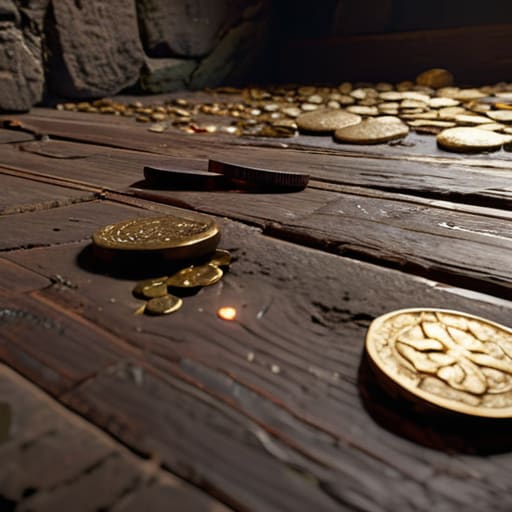
When you stop relying on text boxes, you realize that a well-placed corpse or a bloodstain on a doorway says more than a three-page lore dump ever could. This is where environmental storytelling methods actually earn their keep. If I’m building a small dungeon in my own project, I don’t want to force the player to stop moving just to read a floating parchment about a bandit raid. I want them to see the overturned table, the scattered gold, and the broken arrow in the wall, and have their brain automatically fill in the blanks. It’s about respect; you’re treating the player like they have an imagination instead of assuming they need a lecture.
The mistake most devs make is thinking that “writing” only happens in a dialogue tree. But if your level design contradicts your lore, your narrative collapses. You can’t write a tragic backstory for a fallen kingdom if every room looks like a pristine, untouched showroom. You have to use the geometry and the clutter to validate the history you’ve written. When the environment and the script finally stop fighting each other, that’s when the world starts feeling lived-in rather than just rendered.
Stop treating your dialogue like a way to bypass the gameplay
- Stop using cutscenes to tell stories the player can’t touch. If you spend ten minutes of cinematic glory explaining why the villain is bad, but then give the player a generic “kill ten rats” quest ten seconds later, you haven’t written a story; you’ve written a lie. Your narrative needs to live in the friction of the mechanics, not just the pauses between them.
- Write for the player’s agency, not their obedience. A lot of “writing” in games is just a set of instructions disguised as lore. If your quest text says, “The kingdom is falling, go save the blacksmith,” you aren’t writing a narrative, you’re writing a UI prompt with a skin on it. Give them a choice that actually costs them something—time, resources, or a relationship—and then let the writing deal with the fallout.
- Respect the silence of the player. In a book, the author controls the pace. In a game, the player controls the pace, and if you try to force a monologue while they’re trying to navigate a complex menu or manage their inventory, they aren’t listening—they’re waiting for you to shut up so they can get back to the game. Learn when to let the mechanics do the heavy lifting so your words actually have room to breathe.
- Make sure your item descriptions aren’t just math with a coat of paint. A “Sword of +5 Fire Damage” is a boring sentence. A “Charred Blade of the Fallen Guard” tells a story about who held it and how they died. When you use flavor text to bridge the gap between a spreadsheet and a world, you’re turning a stat block into a piece of history.
- Watch out for the “Ludonarrative Dissonance” trap by checking your systemic sentences. If your protagonist is written as a pacifist philosopher in the dialogue trees, but your combat loop requires them to slaughter hundreds of NPCs to level up, you’ve sent two contradictory messages. You need to decide if your game is a story about a person, or a story about a set of systems, and make sure they aren’t fighting each other for the player’s attention.
Stop Writing Scripts, Start Building Intent

If you take anything away from this, let it be that narrative design isn’t a separate layer you slap on top of a finished product like a cheap sticker. When your dialogue promises a world of high-stakes political intrigue but your combat loop is just a repetitive, mindless grind for copper, you aren’t just being inconsistent—you are lying to your players. You’ve told them the story is about power, but your mechanics are screaming that the story is actually about mindless repetition. Every loot drop, every movement speed buff, and every cooldown timer is a piece of dialogue. If these systems aren’t singing the same tune as your script, the player will always hear the mechanical dissonance first, and they will stop believing your words entirely.
I’m still out here in the trenches, building my own game and failing at this every single day. I still find myself writing beautiful lore for a dungeon, only to realize the way I designed the boss fight makes that lore completely irrelevant. But that’s the point. Don’t aim for perfection; aim for cohesion. Stop trying to write a masterpiece and start trying to make sure your systems aren’t contradicting your soul. When the way a player moves, fights, and loots finally matches the story you want to tell, that’s when you stop just making a game and actually start crafting an experience.
Frequently Asked Questions
If my mechanics are already sending one message, how do I layer narrative on top without creating a system that's just lying to the player?
You don’t layer it on top; you weave it in. If your combat is a frantic, high-speed dance, but your story is about a slow, methodical siege, you’re lying to the player. They’ll feel the friction. Instead, make the mechanics the “how” of the story. If a character is supposed to be exhausted, don’t just write it in a dialogue box—make their stamina bar drain faster. Make the system say what the script promises.
How do you actually balance the "writing" part of a quest when the reward—like gold or XP—is effectively a mechanical sentence that might contradict the story's stakes?
This is where most devs accidentally lie to their players. If your quest text says, “The village is starving and every copper counts,” but the reward is a massive pile of gold and a level-up, you’ve just broken the immersion with a math error. You’re telling the player the stakes are high, but the loot table says the stakes are actually just a dopamine hit. To fix it, the reward has to match the sentiment, not just the difficulty.
For a solo dev with zero budget, how do I use environmental storytelling to build a world without it feeling like a cheap way to avoid writing actual dialogue?
The trick is to stop treating environmental storytelling like a “budget alternative” and start treating it like a primary mechanic. If you just drop a skeleton holding a letter, you’re being lazy; you’re just using a prop to do the heavy lifting your dialogue should have handled. Instead, make the environment a puzzle. A bloodstain leading to a locked door isn’t “cheap”—it’s a prompt that forces a player to make a choice.

