
You Licensed It, You Did Not Buy It
I remember sitting in a dark room three years ago, staring at a “Purchase Complete” screen for an indie title I’d been eyeing for months, only to watch a server shutdown notice pop up a week later. It wasn’t just a bummer; it was a realization that the math of our hobby is fundamentally broken. We talk about our libraries like they’re digital bookshelves, but the truth about how ownership works with digital games is that we aren’t actually buying anything at all. We’re just paying for a temporary lease on a set of permissions that can be revoked the second a studio decides a server isn’t profitable enough to keep humming.
I’m not here to give you a legal lecture or recite the fine print of a Terms of Service agreement that nobody reads. I want to talk about the actual mechanics of this disappearing act. I’ve spent enough time building my own small projects and digging through the guts of dead MMOs to see exactly where the seams are ripping. I’m going to break down the illusion of the digital library and show you what you’re really signing up for when you click “buy,” so you can decide if the trade-off is actually worth your money.
Table of Contents
Digital vs Physical Game Ownership the Vanishing Act
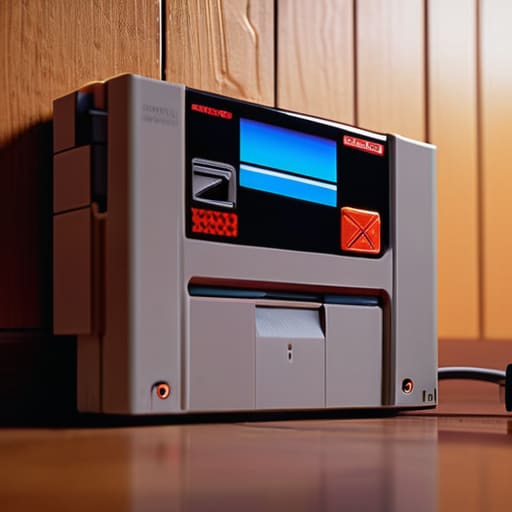
If you walk into a thrift store and pick up a copy of Chrono Trigger for the SNES, that plastic cartridge is a physical contract. You own the atoms, you own the data, and if the company that made it goes bankrupt tomorrow, you can still play it on your CRT monitor. It’s a closed loop. But when we talk about digital vs physical game ownership, we aren’t actually comparing two ways to play a game; we’re comparing a permanent asset to a temporary rental.
When you click “purchase” on a storefront, you aren’t acquiring a product; you’re agreeing to a set of rules. The digital rights management impact here is massive because it fundamentally changes the nature of the transaction. In the old world, the game was the object. In the new world, the game is a service provided under a strict software licensing model. If a platform decides to delist a title or if their servers go dark, your “library” doesn’t just lose value—it effectively ceases to exist. You didn’t buy the game; you bought a temporary pass to access it, and the designer holds all the keys to the gate.
The End User License Agreement Explained a Sentence of Subservience

If you actually sit down and read the EULA—and I mean really read it, not just scroll until you find the “I Agree” button—you realize it’s not a contract of sale. It’s a contract of permission. When we talk about an end user license agreement explained in plain English, what we’re actually looking at is a document that shifts the power balance entirely. You aren’t the owner of the software; you are a temporary tenant in a digital space that the developer can evict you from at any time. It’s a sentence that says, “We let you play this, but only as long as our interests align with yours.”
This is where the digital rights management impact becomes more than just a technical hurdle for crackers; it becomes a leash. Most gaming platform terms of service are designed to protect the company’s ability to pivot, patch, or even kill a product entirely without being held liable for your “lost” investment. In the old days, if a disc stopped working, you still had the plastic. Now, the moment the license expires or the server shuts down, your entire library becomes a collection of unreachable ghosts.
How to Stop Treating Your Digital Library Like a Permanent Collection
- Treat every “purchase” as a long-term rental. If you wouldn’t pay full price for a movie you can only watch for three years, stop treating a $70 digital deluxe edition like a permanent asset in your collection. It’s a service agreement, not a deed.
- Diversify your “physicality.” If you actually care about a game’s longevity, buy a physical copy or at least a DRM-free version from GOG. A disc or a standalone installer is a sentence that says “I own this”; a Steam icon is a sentence that says “I’m borrowing this until the server goes dark.”
- Audit your “wishlist” against your “library.” We often hoard digital licenses like they’re gold, but a library of 500 games you can’t access if your internet dies or a publisher goes bankrupt isn’t an asset—it’s a liability.
- Watch the platform, not just the game. When you choose a storefront, you aren’t just choosing a UI; you’re choosing which company’s terms of service will eventually dictate whether your favorite RPG still exists in five years. You’re betting on their business model staying solvent.
- Read the “sunset” clauses, not just the features. Most people look at a game’s combat mechanics or loot tables, but if you want to understand ownership, look for the fine print regarding “service termination.” That’s the part of the sentence that tells you exactly when your “ownership” expires.
The Cost of the Permission Slip

At the end of the day, we have to stop pretending that clicking “Accept” on a digital storefront is the same thing as handing over cash for a box on a shelf. We’ve traded the permanence of physical media for the convenience of instant access, but that convenience comes with a hidden tax: the loss of agency. We aren’t just buying software anymore; we are subscribing to a temporary window of accessibility that can be shuttered by a server shutdown or a legal pivot. When the EULA dictates that your library is actually just a collection of revocable permissions, the entire relationship between player and creator shifts from one of mutual exchange to one of perpetual, fragile dependency.
I know, it’s a bleak way to look at the hobby we love, but seeing the mechanics for what they are is the only way to actually navigate them. We can’t stop the industry from moving toward this service-based model overnight, but we can stop being passive consumers of it. Support the devs who embrace DRM-free models, keep your physical collections alive, and most importantly, refuse to ignore the fine print. If we want games to be a lasting part of our culture rather than just transient data on a corporate server, we have to start demanding systems that actually respect the people playing them.
Frequently Asked Questions
If I can't truly own the code, what happens to my digital collection when a platform decides to sunset a storefront or a specific server?
The short answer? It vanishes. When a storefront sunsets, you aren’t losing a product; you’re losing the access key to a room that no longer exists. If the game requires a “phone home” handshake with a server that’s been pulled, that game is dead, even if it’s still sitting in your library. It’s a heartbreaking design choice that forces us to trade long-term preservation for the convenience of a single-click purchase.
Is there any way for developers to actually implement "true ownership" without breaking the current ecosystem of digital distribution?
Honestly? Not without nuking the storefronts we rely on. Current platforms like Steam or PSN aren’t just stores; they’re walled gardens built on the very concept of “rented access.” To give you true ownership, a dev would have to bypass the middleman entirely, which kills the discovery and security these massive ecosystems provide. We’d need a decentralized standard for digital assets that actually works, but right now, that’s just a pipe dream competing with massive corporate convenience.
Does the rise of subscription models like Game Pass change the "sentence" being sent to us, or is it just a more efficient way to make us rent our hobbies?
Subscription models don’t change the sentence; they just turn it into a continuous loop. If a single purchase is a permission slip, Game Pass is a subscription to the possibility of playing. It’s a clever way to trade the friction of individual transactions for the psychological trap of “content FOMO.” Instead of owning a library, you’re paying for a temporary pass to a buffet that can be cleared away the second the check bounces.

